Professional Roof Repairs Massapequa
You require Massapequa roofers who know harsh marine environments and temperature cycles. Choose NYS-licensed, fully insured experts who handle permits, follow NY regulations, and maintain inspection records. These professionals will spec Class A, high-wind systems with corrosion-resistant hardware, proper ice dam protection, and balanced ridge-soffit ventilation. Receive itemized estimates, financing options, and 24/7 storm tarping. Rely on photo-backed reporting, meticulous cleanup, and registered warranties with maintenance plans-here's what a trusted team provides next.
Critical Findings
- Licensed and registered in Nassau County and Town of Oyster Bay, including handled permits and properly documented installations meeting all codes.
- Comprehensively insured: General Liability, New York State workers' comp, and disability coverage; copyright-generated certificates featuring Additional Insured and Primary/Noncontributory endorsements.
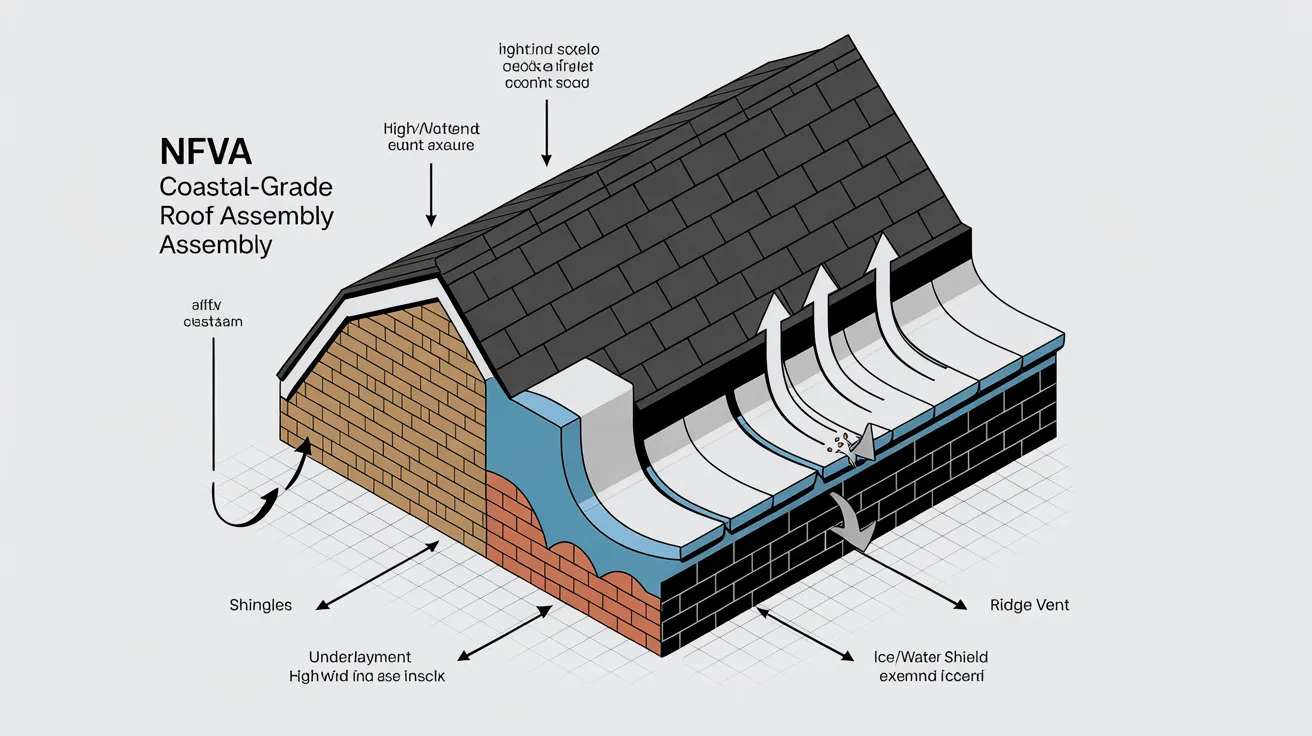
- Waterfront-ready systems: storm-resistant shingles and metal options, stainless and galvanized hardware, protective ice barriers, and optimized ridge and soffit airflow for bay-side applications.
- Photo-supported estimates, comprehensive inspections, and manufacturer-certified specifications to guarantee 130-150 mph wind durability and comprehensive warranties.
- round-the-clock emergency tarping, featuring complete site cleaning, comprehensive final inspection, and confirmed community testimonials and ratings across Google, BBB, and manufacturer portals.
Understanding Why Local Knowledge is Essential for Massapequa Roofing
From seaside breezes to winter storm impacts, Massapequa's local weather patterns and building requirements demand roofing solutions grounded in local expertise. You require a contractor who understands bay-facing gust patterns, temperature fluctuations, and maritime weathering so building components and materials are chosen correctly. Local pros utilize neighborhood knowledge to select wind-rated shingles, stainless or hot-dip galvanized hardware, and ice and water shields at critical roof areas that align with site exposure.
The timing of seasons matters significantly. Planning your tear-offs and installations is crucial to prevent humidity-related adhesive problems and material fragility in cold conditions, while making sure seal strips become effective within manufacturer-specified temperature ranges. A local expert organizes ventilation improvements, detailed flashing work, and gutter pitch modifications before storm seasons arrive, prioritizing ridge-to-soffit airflow and secure transitions at dormers, chimneys, and skylights. You benefit from lasting performance tailored to Massapequa climate.
Professional Licensing, Insurance, and Code Compliance
You expect proper licensing, full coverage, and strict compliance with local building codes on every project. We verify contractor license numbers, carry active general liability and workers' comp, and document permits and inspections before work begins. You get proof in writing, ensuring code compliance, your property remains secure, and your liability is limited.
New York State Licensing Guidelines
Although roofing workmanship gets the spotlight, having the right NYS licenses, insurance, and meeting code requirements provides crucial protection for safeguarding your home and financial interests. You should only work with professionals who hold an active New York State Home Improvement license and, where applicable, registration with the Town of Oyster Bay or Nassau County. Always request license numbers and verify them with the relevant licensing authority.
Check that the qualifier overseeing the job is listed as the qualifier on the license. Require formal confirmation that includes the license numbers, scope of work, and relevant NYS Residential Code requirements. Check complete pull-and-close permits, final evaluations, and manufacturer requirements are verified.
Choose roofing contractors who take continuing education to keep up with code updates, safety standards, and lawful practices. This diligence eliminates violations, avoids stop-work orders, and makes certain your project passes compliance checks on the initial inspection.
Total Insurance Protection
Given that even the highest quality installation could experience unexpected problems, be sure to select a roofing contractor carrying complete insurance: active general liability coverage with limits that match your property value, New York State workers' compensation, and disability insurance coverage for each individual on the project. Always request official documentation from the insurance provider, not copies or screenshots, and check current policy dates and occurrence coverage details. Don't forget to confirm Additional Insured status and Primary/Noncontributory endorsements including your name and property details.
Ask about the contractor manages claim disputes and mandates carriers to waive subrogation when necessary. Confirm completed-operations coverage for post-completion matters. Verify policy numbers against the New York State Workers' Compensation Board database. Demand written notice for any cancellations while work is ongoing. Record everything in your contract, including insurance certificates, policy endorsements, and copyright details.
Materials That Withstand Long Island's Climate
Even with Long Island's harsh blend of salt air, freeze-thaw cycles, and powerful nor'easter winds, the proper roofing materials can deliver long periods of steadfast performance when appropriately specified and installed. You'll require materials built for oceanfront exposure and validated to satisfy New York State and local regulations.
Select Class 4 impact resistant shingles for protection from hail and windborne debris, combined with rust-resistant or hot-dipped galvanized fasteners. Select standing seam aluminum for superior expansion-contraction tolerance. Apply coastal grade sealants around all penetrations and perimeters to prevent salt crystallization and UV damage. Install ice and water barrier from the lower edge to no less than 24 inches inside the warm wall. Include a mechanically attached, high-wind underlayment, securely sealed seams, and ridge vents balanced with soffit intake. Verify manufacturer wind warranties up to 130-150 mph.
Transparent Estimates and Financing Options
You've seen how the right materials stand up to Long Island's coastal conditions; now we break down the finances clearly. You get an upfront itemization that details materials from manufacturers, labor costs, underlayment specifications, ventilation systems, disposal fees, permits, and warranty tiers. We tie every line to code requirements so you can confirm the project against Nassau County and manufacturer specifications.
To help keep your project within budget, we offer adaptable payment solutions with set-rate options and transparent terms. Via our vetted credit partnerships, you can select deferred-interest plans or competitive-rate solutions with no prepayment penalties. We regularly release time-limited promotions that reduce costs on construction materials, weather protection, or attic systems. Before commencing the project, you validate the contract, construction stages, and payment triggers, ensuring complete control over expenses, timing, and project scope.
Emergency Response for Storm Damage
When storms damage your roof with wind, hail, or falling branches, we dispatch skilled professionals around the clock to stabilize your property. Our rapid response team assesses hazards, captures detailed photos, and secures utilities. We then install temporary protective tarps and emergency boarding to prevent water damage, ensuring compliance with insurance protocols.
Our technicians comply with local code and manufacturer specs for fasteners, underlayment, and flashing. We secure all openings, resecure loose shingles, and clean up the area to ensure safety. When structural issues arise, we install bracing and isolate affected areas. You'll get a clear action plan, product documentation, and moisture readings, to help guide your choices. We collaborate with claims specialists, emphasize protection measures, and return promptly to ensure continued weather protection.
A Comprehensive Look at the Roof Replacement Journey
The first step is a thorough roof assessment that verifies deck integrity, ventilation, flashing, and code compliance. Next, we determine material selection - featuring shingle or metal profiles, underlayment class, fasteners, and accessories - aligned with wind ratings, warranty terms, and local codes. In conclusion, we ensure a spotless workspace and a detailed closing review that certifies craftsmanship, completes permitting, and verifies task completion.
Thorough Roof Evaluation
Before commencing work, a thorough roof inspection sets the baseline for a building code compliant roof replacement. You obtain a structured review of building components, air flow, and weatherproofing to guarantee the project scope is precise and compliant with local construction standards.
We meticulously record roof age markers, deteriorated or absent tabs, and surface wear along eaves and within gutters. In the interior, we evaluate decking deflection, attachment failures, and dampness markers that point to compromised ventilation or flashing. Roof openings - from vents to chimneys and skylights - are inspected for proper flashing condition and caulking condition. We analyze weak spots, assess runoff routes, and verify correct placement of ice protection, underlayment, and drip edge as required.
You will receive a photographic report outlining structural issues, click here urgent repairs, compliance requirements, and permit needs, allowing for a detailed, compliant renovation strategy.
Planning Material Selection
Though appearance is crucial, material choices start with climate zones and local regulations. You'll need to align your choices with Massapequa's weather and safety standards, as well as energy code compliance. We carefully assess the deck's status and weight limitations, before matching systems that work within these constraints. For coastal exposure, you'll need to prioritize top-tier fire resistance, enhanced uplift protection, and weather-resistant attachments.
Next, you'll need to select a roofing material: asphalt shingles for affordability and widespread use; metal for extended lifespan; or synthetic slate for easier installation. When considering green roofs, we'll confirm support requirements, root protection, and drainage systems comply with regulations. For solar shingle installations, we coordinate electrical requirements, proper flashing, and fire resistance classifications to maintain a waterproof seal. You'll finish by picking suitable underlayment, ice barriers, and ventilation systems to establish a regulation-adherent, long-lasting system.
Final Walkthrough and Cleanup Process
Once crews complete the last component, site cleanup commences right away and adheres to a defined checklist. The team checks the roofing area, drainage systems, and grounds, bag and organize waste, and arrange recyclable materials. Magnetic sweepers thoroughly scan the perimeter and lawn to gather scattered fasteners. Dumpsters are covered and transported in compliance with local regulations. Our team photographs work areas for waste disposal documentation and ensure that downspouts, vents, and skylights are free of debris. Safety equipment and protection systems are taken down last to stop additional mess.
Following this, you'll participate in a final construction inspection. We examine the installation of drip edges, flashing, fasteners, and sealants to ensure they meet code and manufacturer specifications. We assess roof ventilation, check intake/exhaust balance, and validate warranty activation. You'll receive maintenance documentation and a punch list if necessary. Final payment isn't requested until you approve completion.
Energy Efficiency, Ventilation, and Insulation Solutions
Balancing ventilation and insulation is central to a roof system that performs efficiently year-round. Your home stays protected when you combine code-compliant attic ventilation with continuous, sealed thermal barriers. We size intake and exhaust to meet required air exchange standards, prevent ice dams, and eliminate humidity that reduces roof deck integrity and insulation effectiveness.
We evaluate ventilation alternatives including soffit, ridge, and mechanical systems prior to seal bypasses around lights, chimneys, and penetrations to minimize escape of treated air. We position baffles to keep eaves clear, keep air passages open, and confirm vapor retarder placement based on your region. Dense-packed or blown-in insulation upgrades are configured to meet specific R-values without blocking vents. Energy-efficient roofing, reflective barriers, and automated temperature-controlled ventilation decrease maximum energy demand, improve comfort, and decrease monthly energy expenses.
Understanding Warranties, Service Plans, and Lasting Value
Before installation begins, we detail maintenance plans and warranty coverage to ensure your roof maintains consistent value and performance throughout its lifetime. You'll have clear information about what's covered, coverage periods, and service triggers, covering both manufacturing and workmanship issues. We register all products, keep comprehensive documentation, and verify all requirements to maintain Extended warranty validity.
We combine coverage with a maintenance plan tailored to Massapequa's coastal exposure. Regular inspections every fall and spring check flashing integrity, sealant status, shingle attachment, and roof penetrations. We clean out buildup, adjust attic ventilation, and document photos for your documentation. Immediate repairs keep minor issues from voiding coverage.
This systematic method lowers maintenance costs, stabilizes budgeting, and preserves resale value. You gain predictable ownership, reduced unexpected issues, and a roof that meets regulations throughout its operational lifespan.
How to Research Reviews and Pick the Best Roofing Team
Once you've mapped out warranties and maintenance, the crucial next phase is choosing a contractor who will maintain those guarantees. Initially investigating the legitimacy of reviews: cross-reference reviews across multiple review sites including Google, BBB, and manufacturer databases. Search for detailed project information, timeline information, and photographic evidence; watch out for non-specific compliments or repetitive language which often signals fake reviews. Emphasize client feedback that mention code compliance, permitting, and official inspections. Check communication patterns-reputable contractors quickly handle concerns and record resolutions.
Check and verify required licenses, insurance coverage, and OSHA training documentation; ask for certification copies forwarded straight from carriers. Get in touch with recent local clients and speak with them; confirm start and completion dates, scope changes, and cleanup procedures. Match quoted prices to scope requirements: ensure detailed itemization of materials, ventilation, flashing, and warranty coverage. Secure written workmanship guarantees and register manufacturer warranties. In conclusion, select contractors with proper manufacturer certifications and a comprehensive safety protocol.
Frequently Asked Questions
Can You Partner With Solar Installers for Joint Roof-Solar Projects?
Indeed, you can. You collaborate directly with solar installers to execute integrated roof-and-solar projects. You manage solar coordination early, validate loads, flashings, penetrations, and attachment layouts, and synchronize system sequencing with roofing phases. You examine plans for code compliance, arrange crane/lift access, and secure watertight detailing. You furnish as-built documentation, warranty alignment, and final inspections. You also coordinate utility, inverter placement, conduit paths, and grounding/bonding requirements for a flawless installation.
Are Drone Inspections Available for Difficult-to-Access or Complex Roofs?
Indeed, we offer drone inspections for hard-to-reach or complex roofs. Think of a precision aerial survey - your roof appears as a detailed landscape, all elements meticulously recorded. Professional drone operators strictly follow flight regulations, capture 4K visuals, and utilize thermal imaging to reveal hidden moisture, heat loss, and damaged flashing. You get a code-compliant report, detailed photos, and prioritized repair recommendations. We track clearances, ensure safety per FAA regulations, and schedule around weather conditions to deliver precise, safe results.
How Are HOA and Architectural Review Submissions Managed?
We provide full assistance starting with HOA consultations and continuing to final approval. We provide conforming specs, color samples, and documentation conforming to local requirements and community standards. We take care of necessary paperwork, coordinate architectural review submissions, and respond to board feedback promptly. Additionally, we manage permit processes simultaneously, ensuring timelines are maintained. After your approval of the package, we submit the paperwork, track status, and send updates until approval is received, then arrange work according to HOA and municipal requirements.
Is Skylight Installation Available During Re-Roofing Projects?
We specialize in skylight installations and replacements during roof replacement work. We'll provide a detailed code-compliant plan that addresses skylight dimensions, curb height, and roof load specifications. Our team confirms roof pitch requirements, flashing installation, and ice/water shield tie-ins. Choose between fixed or vented models; we advise on glass finishes for enhanced UV protection, solar heat gain, and energy efficiency. We handle all necessary permits, manufacturer guidelines, and assessments, maintaining excellent watertight functionality, warranty coverage, and pristine interior appearances.
How Do You Handle Pets During Roof Construction Noise?
Pet comfort comes first. We provide detailed schedules, noise-controlled intervals, and advance notifications allowing you to plan pet accommodation or set up soundproof areas. We safeguard all entry points, cover vents, and control construction debris for protection. Construction personnel coordinate disruptive work at convenient times, display safety notices, and maintain staging tidy and regulated. You'll have one point person for progress reports, along with guidance on organizing pet areas, acoustic solutions, and interim schedules.
Summary
Your home needs a roof that stays reliable in every season. When you work with a Massapequa crew with community knowledge, professional certifications, and complete insurance, you sidestep "inconveniences" before they become problems. You'll get long-lasting materials for Long Island's weather patterns, clear numbers, and courteous financing, plus prompt attention when weather acts up. From thorough inspections to tidy goodbyes, ventilation enhancements, and warranties that stand up to examination, you're investing in calm, compliant craftsmanship - and a home that stays protected.